“Before streaming, before DVDs, before ‘Be Kind, Rewind’—there was this.”
📼 Press Play on the Past
On July 8, 1963, Ampex Corporation was awarded U.S. Patent No. 3,099,754 for an invention that would quietly but completely reshape media consumption: the first practical home-use video tape recorder. Though it would take years to hit store shelves at a consumer-friendly price, this patent laid the groundwork for the glorious rise of the VCR.
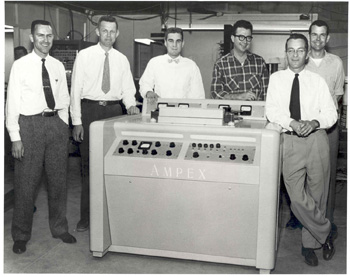
Before this, if you missed a TV show—tough luck. It aired once and vanished. But the Ampex system changed the game: magnetic tape could now capture full video signals, store them, and play them back on command. Suddenly, time-shifting was real, and broadcast television lost its grip on our schedules.
📺 How It Worked
- Magnetic tape: Recorded audio and video signals onto reels that could be rewound and reused.
- Analog innovation: Achieved relatively high-quality playback in a consumer-friendly format.
- Giant machines: Early versions were the size of small refrigerators and cost more than a car—but still, it was magic.
📼 The Legacy: Pause, Record, Repeat
By the late 1970s and 1980s, companies like JVC and Sony had adapted the concept for mass production. The VHS vs. Betamax format war raged. Movie rental stores flourished. Parents taped soap operas. Kids wore out their copy of The Lion King. And the phrase “Home Video” became a cultural mainstay.
It all started with this humble Ampex patent.
📆 TL;DR Summary
- Date: July 8, 1963
- Invention: Practical video tape recorder for home use
- Inventor: Ampex Corporation
- Impact: Enabled recording and replaying TV shows and movies, setting the stage for home entertainment
💬 Final Thought
Before there was Netflix, there was rewind. On July 8, we tip our remote to Ampex for giving us the power to pause, tape, and relive our favorite moments—on our own time.
Comments
Post a Comment